
Smart comfortJune 10, 2026
Smart Thermostats and Home Zoning: Precision Comfort for Multi-Level Homes
How zoning and smart controls eliminate hot and cold spots in two and three story Northern Virginia homes.
Read article
Seasonal advice and technical resources for Northern Virginia homeowners — written by experienced technicians who work in local homes every day, and reviewed for accuracy by our senior staff.
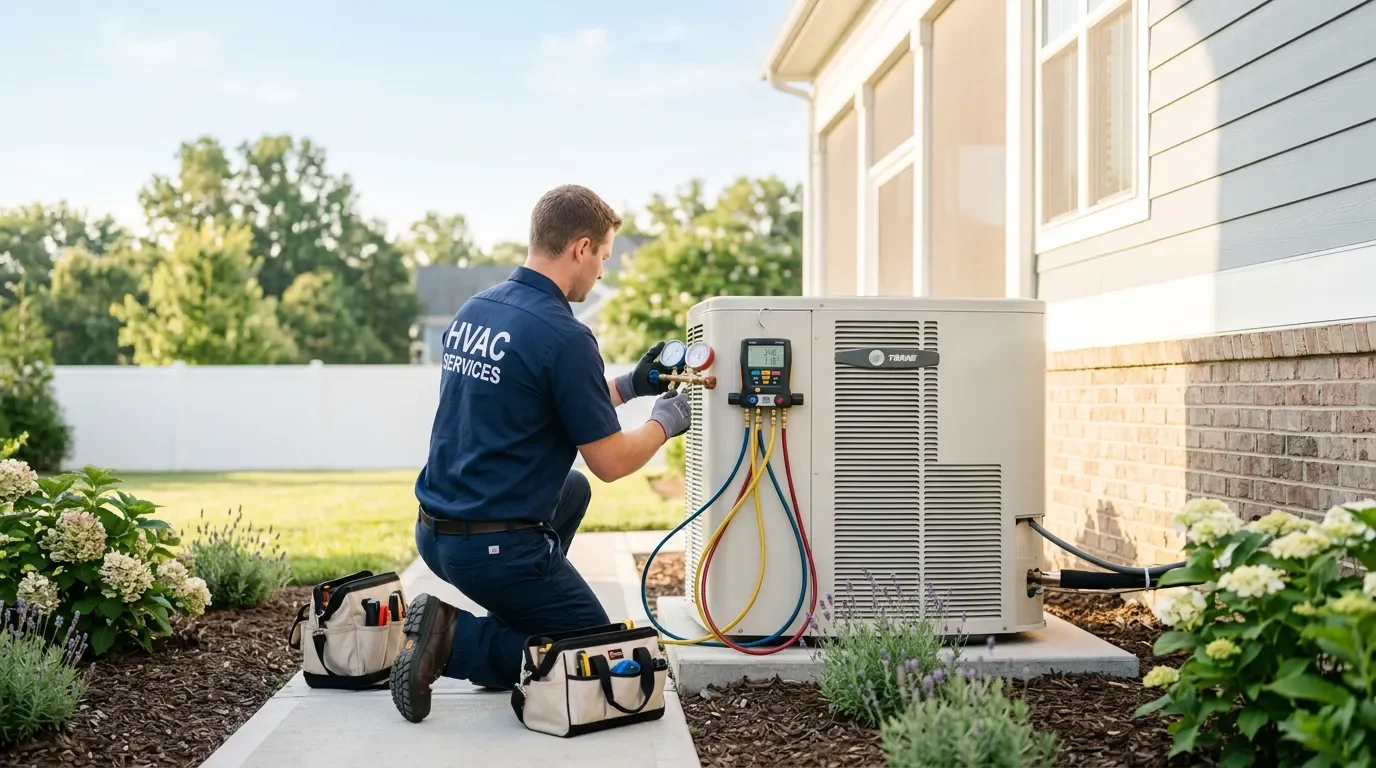 Field notes from the morning route
How zoning and smart controls eliminate hot and cold spots in two and three story Northern Virginia homes.
Read article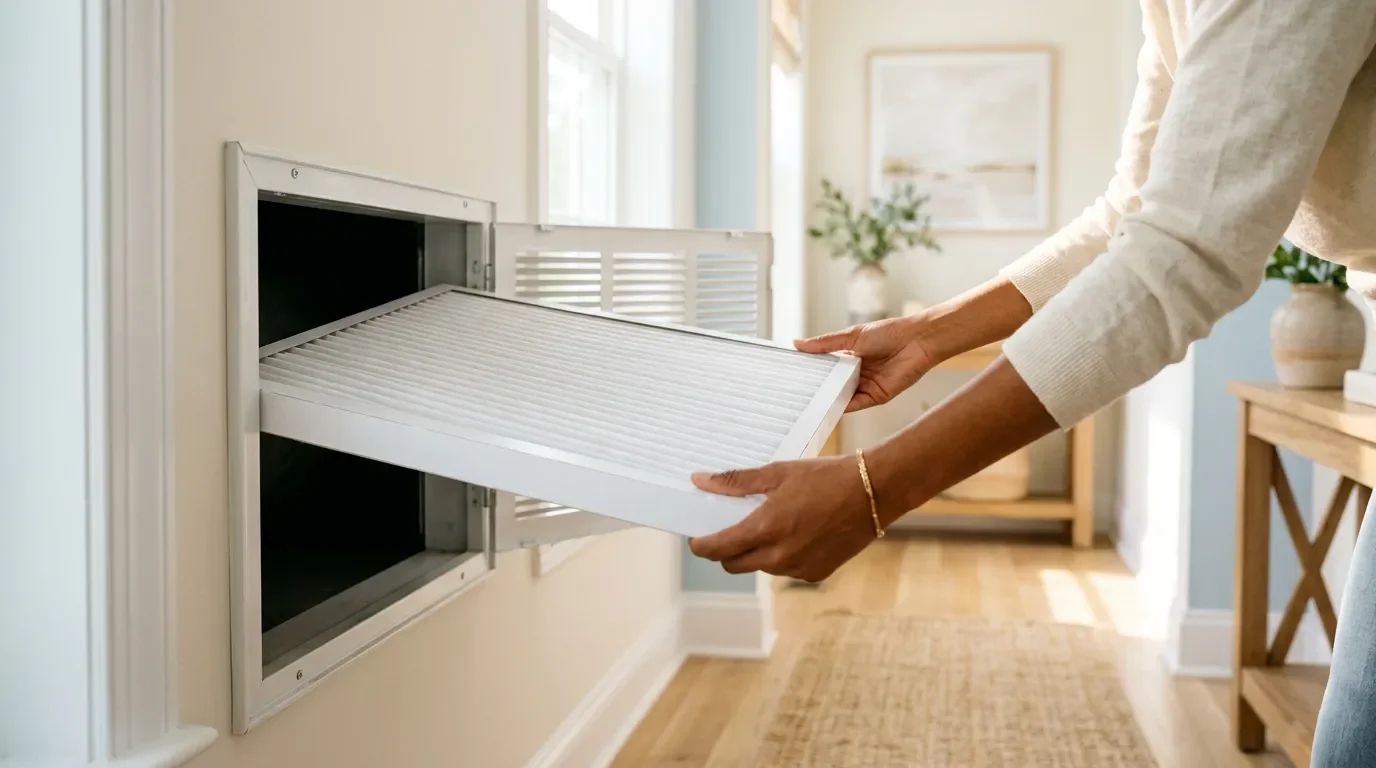
Why a higher MERV number is not always better — and how to protect your blower motor while cleaning your air.
Read article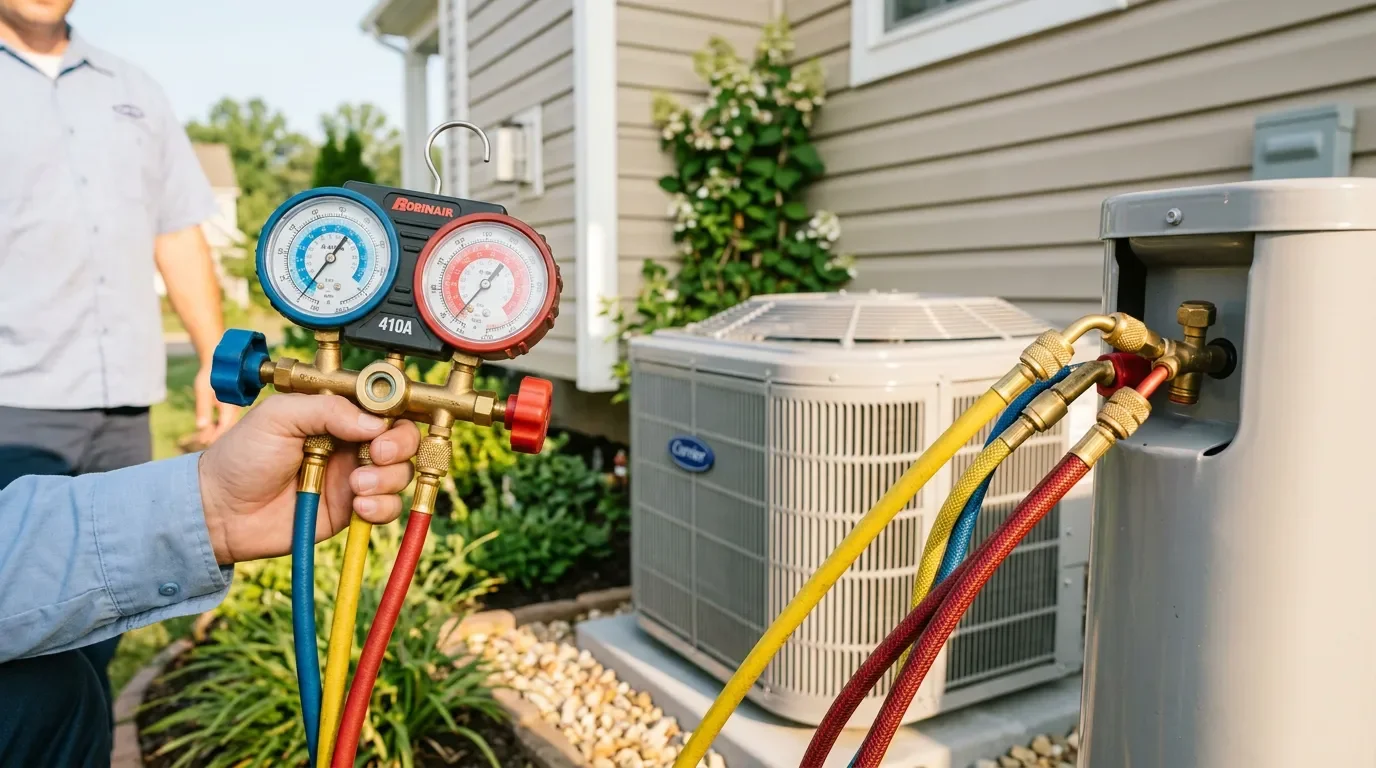
Why R-410A is being phased out, what A2L refrigerants change, and how it affects replacement cost and timing.
Read articleWhy seasonal tune-ups and Energy Saver Agreements protect performance, warranty coverage, and equipment life.
Read article
Comfort, running cost, and efficiency compared — and which choice fits your home and fuel situation.
Read article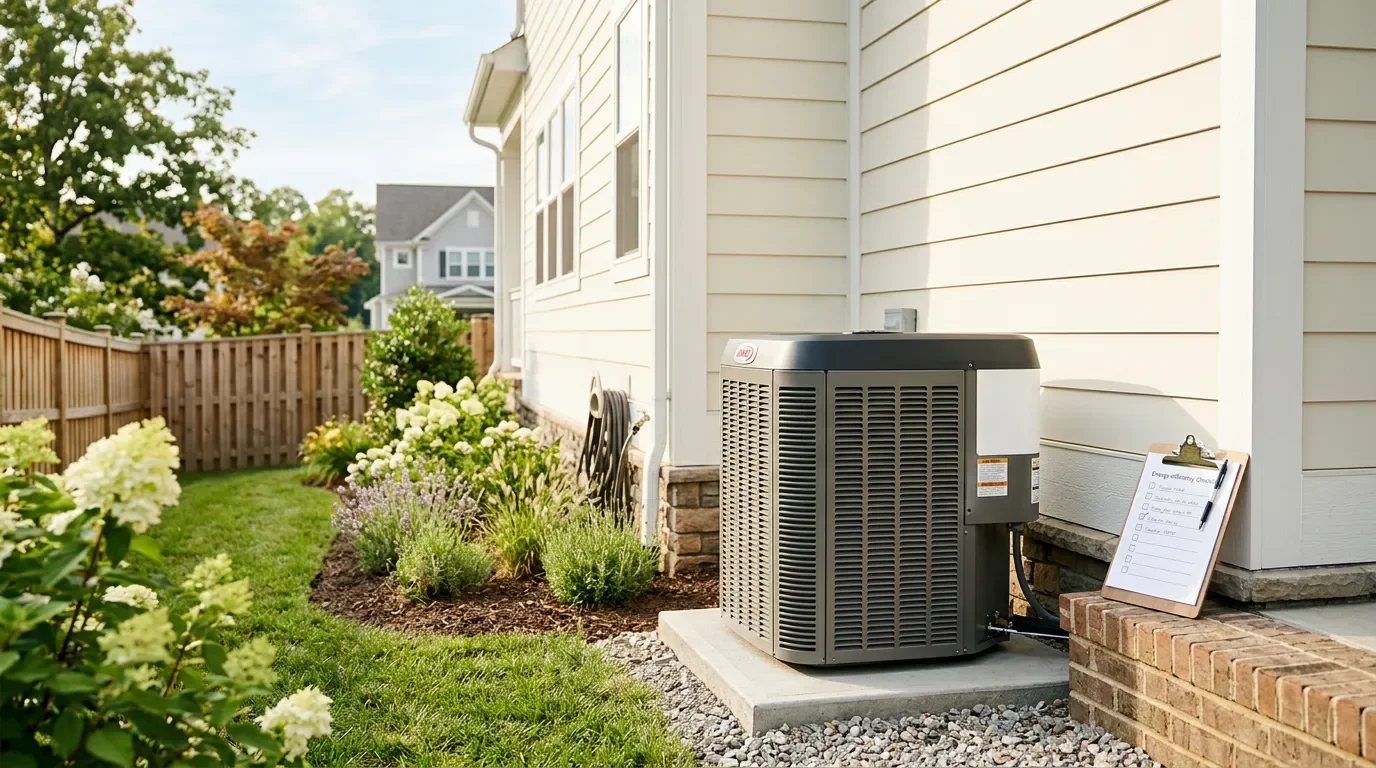
How the updated SEER2 guidelines reflect real-world duct conditions — and what they mean for upgrades and rebates.
Read articleThe blog is organized for homeowners who want to make better HVAC decisions before a service visit, replacement consultation, or seasonal tune-up. Some articles explain equipment choices. Some explain maintenance. Some explain industry changes that affect pricing, availability, and long-term ownership. The goal is not to turn every reader into a technician. The goal is to make the service conversation more useful.
If the system is running but aging, begin with the repair-versus-replace and efficiency topics. If rooms are uncomfortable, read the airflow, zoning, and thermostat articles before assuming the equipment is the only problem. If indoor air feels dusty or stale, start with filtration and MERV, then think about duct cleaning or media air cleaners. If you are planning replacement, the R-454B and SEER2 articles explain why new equipment looks different from what was installed ten or fifteen years ago.
The articles are written in the same plainspoken style our technicians use at the kitchen table. We define the terms, explain what we measure, and point out where the homeowner's house changes the answer. A split-level in Springfield, a rowhouse in Alexandria, and a townhome in Lorton can all use Bryant equipment, but they do not always need the same design.
Choose the article path that matches the problem you are trying to solve.
| Situation | Start With | Then Read |
|---|---|---|
| Replacing an aging AC or heat pump | The R-454B refrigerant transition | Understanding SEER2 efficiency standards |
| Comparing heating options | Heat pump vs. gas furnace | Smart thermostats and zoning |
| Preparing for seasonal service | Preventative HVAC maintenance | MERV ratings and air filters |
| Fixing hot and cold spots | Smart thermostats and zoning | SEER2 standards, especially airflow and static pressure sections |
| Choosing a better filter | MERV ratings explained | Indoor air quality service page |
| Planning a high-efficiency upgrade | SEER2 standards | Heat pump vs. gas furnace and R-454B transition |
| Considering a maintenance plan | Preventative HVAC maintenance | FAQ page and Services page |
| Trying to understand new equipment quotes | SEER2 standards | R-454B transition and the relevant service page |
The maintenance article explains why tune-ups are technical visits, not quick visual checks. It covers coil cleaning, capacitors, contactors, manufacturer warranty records, thermal imaging, compressor winding insulation testing, cooling tune-up readings, heating measurements, and the Energy Saver Agreement. Read it if you want to understand what should happen during a spring or fall visit.
The heat pump and furnace article compares combustion heat with refrigerant-based heat transfer. It covers AFUE, HSPF2, coefficient of performance, dual fuel, venting, electrical panel requirements, cold-climate technology, inverter compressors, and lifecycle cost. Read it before replacing heating equipment or switching fuel strategy.
The MERV article explains why higher filtration can backfire when the blower and return path are not designed for it. It covers particle capture, MERV 1 through 16, static pressure, MPR and FPR labels, Northern Virginia pollen, media air cleaners, and filter-change timing. Read it before buying the densest filter on the shelf.
The R-454B article explains the 2025 refrigerant change. It covers the R-410A phase-down, lower-GWP refrigerants, A2L mild flammability classification, repairability of existing R-410A systems, and replacement timing. Read it if an older AC or heat pump is leaking refrigerant or facing a major repair.
The SEER2 article explains the updated efficiency standard. It covers the difference between SEER and SEER2, regional requirements for Virginia, rebates and tax credits, sensible heat ratio, inverter compressor controls, M1 testing, EnergyGuide labels, and Bryant product lines. Read it when comparing proposals.
The zoning article explains why one thermostat often fails in a multi-level home. It covers stack effect, dampers, smart thermostats, bypass considerations, variable-speed integration, and how to decide if zoning is the right fix. Read it for Springfield split-levels, Kingstowne townhomes, and any house with persistent room imbalance.
HVAC questions change with the weather. These seasonal paths match the way service calls usually arrive.
| Time of Year | Read First | Useful Next Step |
|---|---|---|
| Late winter | Heat pump vs. gas furnace | Decide whether a spring replacement consultation makes sense before cooling season. |
| Early spring | Preventative HVAC maintenance | Schedule the spring cooling tune-up before summer demand rises. |
| Late spring | MERV ratings explained | Replace filters correctly before pollen and AC runtime increase. |
| Summer | Smart thermostats and zoning | Investigate hot bedrooms, humidity, duct imbalance, and thermostat issues. |
| Late summer | SEER2 standards | Compare replacement options if an old AC struggled through the season. |
| Fall | Preventative HVAC maintenance | Schedule fall heating inspection through the Energy Saver Agreement. |
| Early winter | Heat pump vs. gas furnace | Review balance point, auxiliary heat, and dual-fuel choices. |
| Any replacement season | R-454B transition | Understand why new equipment and refrigerant requirements have changed. |
We believe in providing homeowners with the technical information to make informed decisions about their comfort systems. When choosing new equipment, the ratings that matter are SEER2 (cooling efficiency) and HSPF2 (heat pump heating efficiency) — both measured under updated, more realistic duct conditions.
Every article here is written by technicians who spend their days in Northern Virginia homes and reviewed for accuracy by our senior staff. If a question isn’t covered, call (703) 436-8028 — we’ll give you a straight answer.
The blog should earn trust by being specific and careful.
Good homeowner education also means leaving out weak claims. We do not need fake urgency to explain a real equipment transition. We do not need a universal "best system" answer when the right choice depends on the house. We do not need to promise a utility bill result that weather, thermostat settings, duct leakage, and household behavior can change.
The blog should help a homeowner become more precise. Instead of saying "my AC is bad," they may notice that the indoor blower runs but the outdoor unit is silent. Instead of saying "my filter is better because the number is higher," they may ask whether static pressure was measured. Instead of shopping by SEER2 alone, they may ask whether the indoor and outdoor sections are AHRI matched and whether the ducts can move the required air.
That is the standard for the resource center: useful enough to improve the next conversation, careful enough not to overstate what an article can know from a distance.
The blog can also guide readers toward the right service page.
| Blog Topic | Related Service Page | Why the Connection Helps |
|---|---|---|
| Preventative HVAC maintenance | Services hub | Explains why the Energy Saver Agreement includes spring and fall visits. |
| Heat pump vs. gas furnace | Heating services | Connects fuel choice to furnace, heat pump, and dual-fuel installation. |
| MERV ratings | Indoor air quality | Shows why filtration decisions need airflow and static pressure checks. |
| R-454B refrigerant | Air conditioning services | Helps replacement shoppers understand new AC and heat pump equipment. |
| SEER2 standards | Air conditioning and heating services | Connects efficiency ratings to real installed performance. |
| Smart thermostats and zoning | Springfield area page | Springfield split-level homes are a clear example of multi-level comfort challenges. |
| Local climate and maintenance | Service areas page | Places technical advice in Fairfax County heat, humidity, and winter conditions. |
The index can also point readers toward the next most useful article.
No. They explain how systems work and what a technician looks for, but they cannot measure your static pressure, refrigerant behavior, combustion readings, duct leakage, or electrical components. Use the articles to prepare better questions, then schedule service when the system needs testing.
Airflow connects almost every HVAC topic. It affects coil temperature, furnace temperature rise, humidity removal, filtration, static pressure, zoning, noise, energy use, and equipment life. A high-efficiency unit still needs ductwork and returns that can move the required air.
Yes. The technical principles apply broadly, but the local examples focus on Commonwealth's service area: Lorton, Alexandria, Springfield, Fairfax, Burke, Newington, Mount Vernon, Kingstowne, Burke 22015, and Clifton 20124. Local housing patterns help explain why answers vary.
Read the article that matches your decision, note the terms that come up repeatedly, and write down your home's symptoms. For replacement quotes, ask about Manual J, equipment matching, duct static pressure, permits, warranty registration, and any qualifying rebates or tax credits.
The best article to read first is the one that matches the decision you need to make this month. Maintenance, replacement, filtration, refrigerant, efficiency, and zoning each answer a different question. After that, move to the service page that matches the work. The article explains the concept; the service page explains how Commonwealth applies it in the field. That path keeps research tied to action, not browsing alone.
A NATE-certified technician can assess your exact system and explain your options at your kitchen table.